

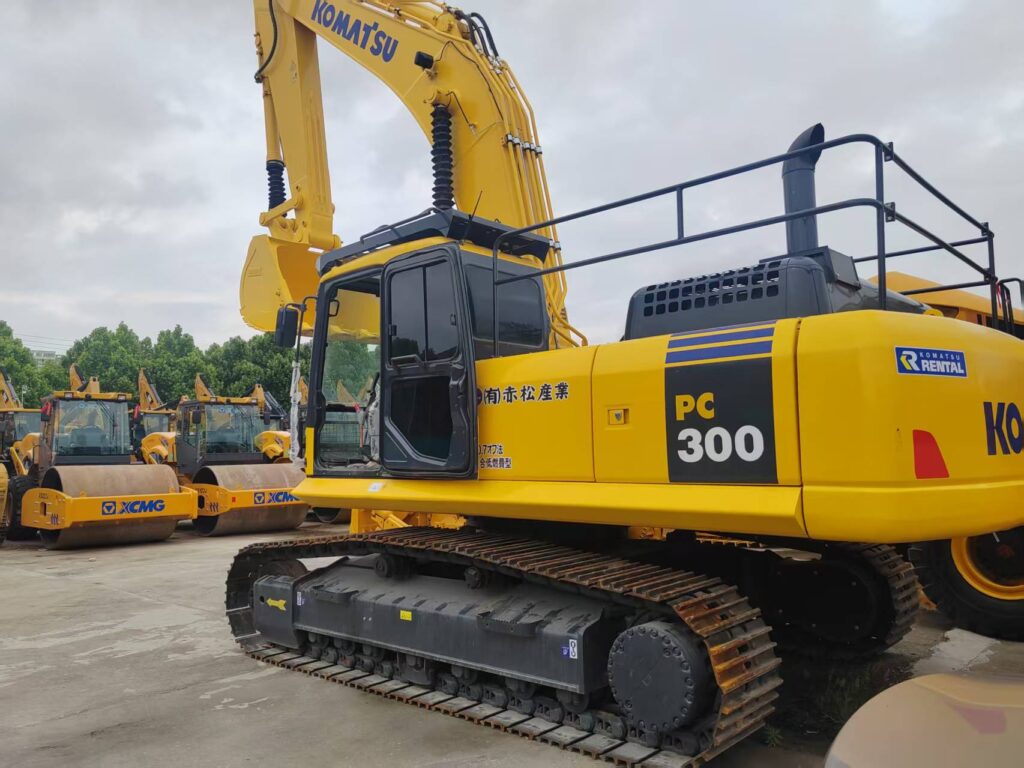
The core principle for operating used machinery is “Inspect Before Operation, Strict Load Control, and High-Frequency Maintenance.” Due to the unknown history of the equipment, a more cautious approach than with new machines is mandatory.
1. In-Depth Inspection Before Commissioning
- Core Component Health Check: Focus on the engine (checking for smoke and oil leaks), hydraulic system (hose aging and pressure loss), and drivetrain (gear and bearing wear). Never operate a machine with known faults.
- Structural Integrity Verification: Carefully inspect load-bearing components such as the frame and boom for secondary welding, cracks, or straightening marks. Be vigilant for structural fatigue damage hidden by refurbishment.
- Documentation & Compatibility: Verify the nameplate serial number to confirm actual age. Ensure fuel grades and lubricant viscosity meet current environmental temperature requirements; never mix different brands or grades of fluids.
2. Safe Operating Procedures
- Mandatory Trial Run: After starting, allow the machine to idle for 2–3 minutes. Monitor instrument readings and listen for abnormal noises before engaging in operation or material handling.
- Avoid High-Risk Maneuvers: Prohibit overloaded operation. Maintain a stable center of gravity during slewing and traveling (e.g., keep the bucket 1 meter above ground with the arm parallel to the tracks). Sudden stops and starts are strictly forbidden.
- Personnel Exclusion Zone: No one is allowed within the machine’s swing radius or work range. Non-operating personnel must not enter the cab or touch the control levers.
3. Maintenance & Emergency Strategy
- Shorten Maintenance Intervals: Given the increased wear of used parts, it is recommended to shorten the oil and filter change intervals by 20%–30%. Clean the radiator fins after each shift.
- Establish a Running Log: Record daily working hours, fault phenomena, and repairs. Stop the machine immediately if you detect excessive temperature or abnormal vibration.
- Proactive Spare Parts Management: Stock up on wear parts (filters, seals, belts) in advance to avoid project delays caused by waiting for parts.
⚠️ Final Warning: If the equipment experiences irreparable faults or structural hazards, stop operation immediately and contact professional repair services. Never force operation, as this may lead to catastrophic failure or personal injury.