

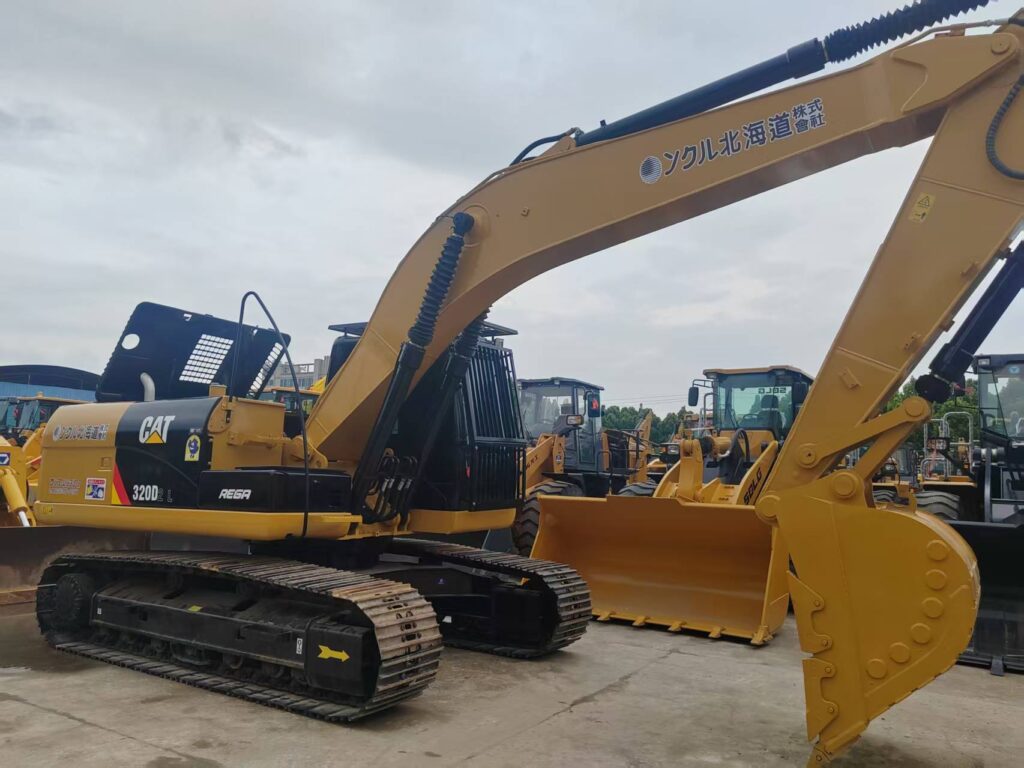
The bulldozer is an earthmoving machine capable of independently performing blading, hauling, and dumping. Its core advantages lie in flexible operation, minimal space requirements, and high efficiency over short distances.
Key Characteristics
- High Work Capacity: Capable of independent excavation and grading. When equipped with a ripper, it can break up hard soil (Class III–IV) or soft rock.
- Mobility & Adaptability:
- Crawler Type: Features low ground pressure, high traction, and excellent climbing ability (up to approx. 30°), making it ideal for complex terrain.
- Wheel Type: Offers high travel speed without damaging paved surfaces, suitable for urban environments.
- Short Economic Haul Distance: The most economical operating distance is 30–60 meters, with an effective range generally not exceeding 100 meters. Efficiency drops significantly over longer distances.
- Operational Limits: Best suited for Soil Classes I–III, with typical digging depths under 1.5 meters and operating gradients below 30°.
Scope of Application
- Site Preparation: Clearing debris, leveling construction sites, snow removal, and obstacle clearance.
- Earthwork Projects: Excavating shallow foundation pits, backfilling soil, and constructing low embankments.
- Assisted Construction: Supporting excavators in cut-and-fill operations or towing other non-powered machinery.
- Specialized Scenarios: Purpose-built models (e.g., Swamp, High-Altitude, or Underwater Dozers) are available for specific conditions such as marshes, mine spoil areas, or forested land rehabilitation.