

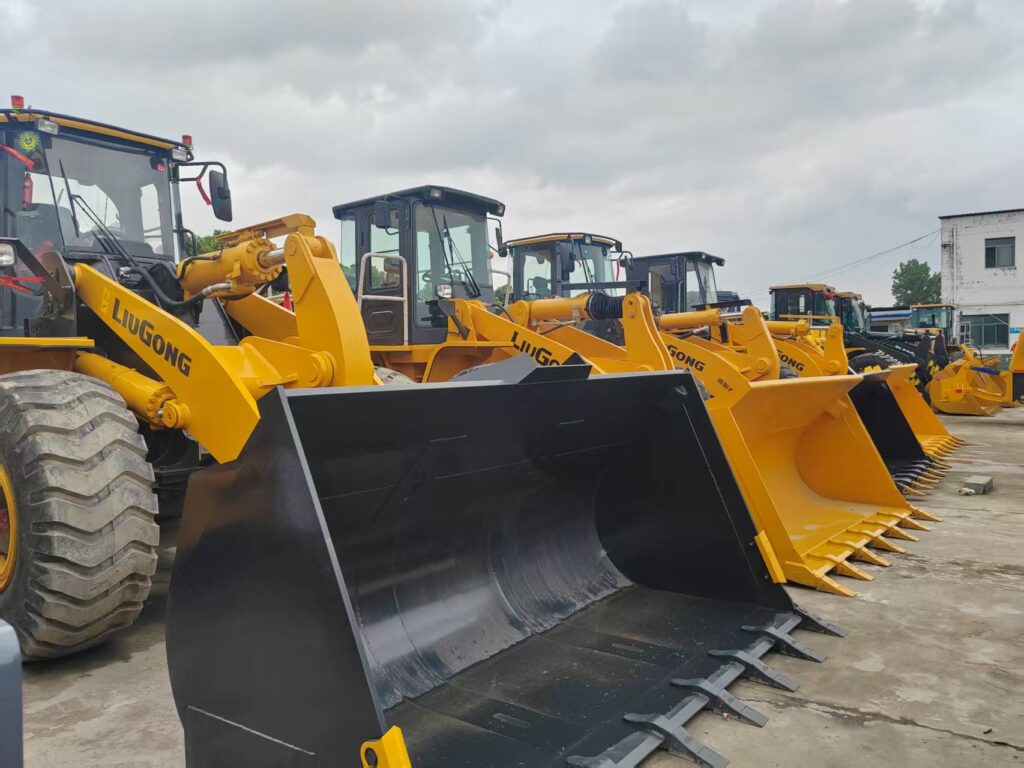
Loader operation is divided into three main steps: Pre-start Inspection, Operating Procedure, and Shutdown & Maintenance. The core principle is: Certified Operation and Safety First.
1. Pre-Start Preparation
Vehicle Inspection
Check tire pressure, engine oil, and coolant levels. Ensure bolts are tight and there are no signs of oil or water leakage.
Environmental Check
Walk around the machine to confirm there are no personnel or obstacles nearby. Clear the area and ensure it is safe before boarding.
Personnel Qualification
Operators must hold a valid Special Equipment Operation Certificate. Operating under the influence of alcohol, while fatigued, or while ill is strictly prohibited.
2. Operating Techniques
Starting & Warm-up
Start the engine with the key and let it idle for several minutes until the water and oil temperatures reach normal operating levels.
The Operating Mantra
Remember the rule: “Light, Stable, Alert, Diligent, Coordinated.”
- Light: Apply the throttle gently.
- Stable: Keep the machine steady while moving.
- Alert: Keep your foot ready over the brake (alertness/disengagement).
- Diligent: Operate the control levers frequently and accurately.
- Coordinated: Ensure smooth coordination between hands and feet.
Key Operating Points
- While traveling, keep the bucket 40–50 cm above ground.
- Prohibition: Never coast downhill in neutral.
- When loading, lift the arm first, then curl the bucket. Carrying passengers on the bucket is strictly forbidden.
3. Safety Prohibitions & Shutdown
Safety Red Lines
Overloading, sharp turns, and working with personnel standing under the bucket are not allowed. Cease operations during severe weather.
Standardized Parking
Park on level ground, lower the bucket to the ground, set the parking brake, turn off the engine, and disconnect the power. Clean mud off the body before leaving.