

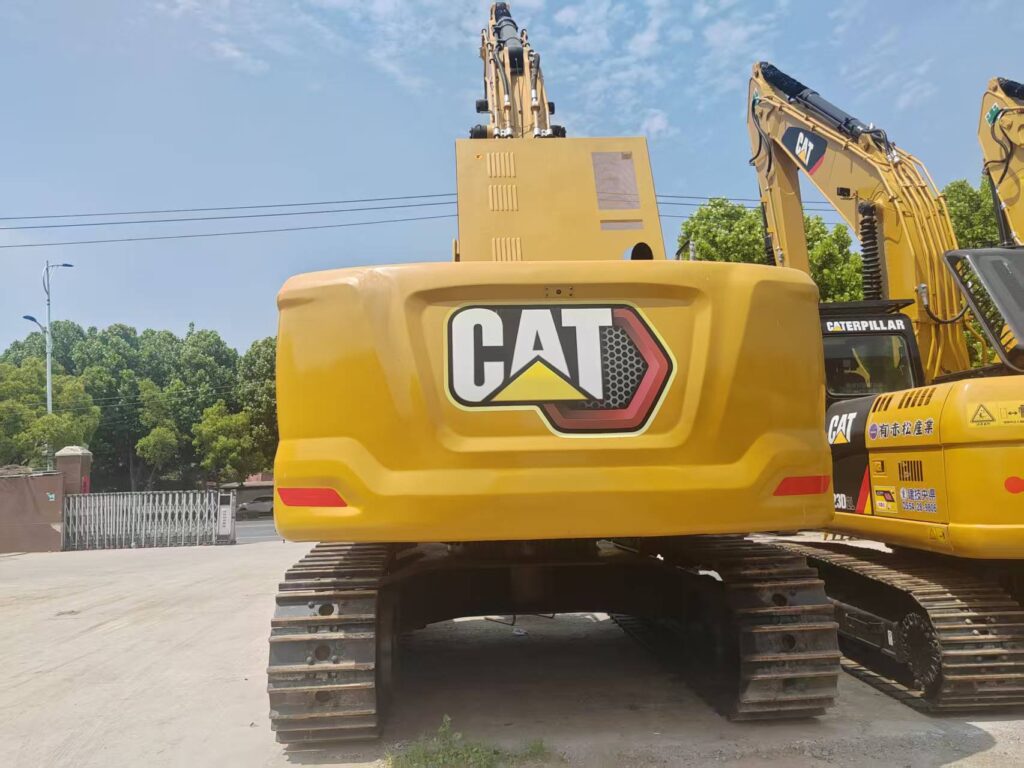
Used bulldozer maintenance is not just a service schedule. It is a daily system for finding wear before it becomes downtime. A reliable plan combines pre-start checks, correct fluid and filter service, undercarriage measurement, cooling-system care, hydraulic inspection, operator reporting, and accurate records.
Service intervals vary by manufacturer, model, serial-number range, operating environment, fluid specification, and attachment use. Always follow the operation and maintenance manual for the exact machine. Use the intervals below as planning guidance, not as a replacement for the manufacturer schedule.
Why Used Bulldozer Maintenance Starts With a Baseline
When a used dozer enters your fleet, do not assume that the previous service history is complete. Record the serial number, meter hours, active fault codes, fluid levels, filter dates, undercarriage measurements, blade condition, visible leaks, and installed attachments. Photograph important wear points and save the first inspection report.
If service records are missing, ask a qualified technician to establish a maintenance baseline. Depending on the machine and sample history, this may include fluid analysis, filter inspection, cooling-system testing, battery testing, and diagnostic-code retrieval. A baseline helps you distinguish existing wear from changes that occur under your ownership.
Daily Bulldozer Inspection Checklist
Complete the walkaround on level ground with the blade and ripper lowered, the parking brake applied, and the engine off. Follow the machine manual before opening any compartment or checking a pressurized system.
| Inspection area | What to check | Why it matters |
|---|---|---|
| Ground and machine exterior | Fresh oil, coolant, fuel, or hydraulic leaks | Small leaks can become component failures or jobsite hazards |
| Engine compartment | Fluid levels, belts, hoses, clamps, debris, and damaged wiring | Heat, abrasion, and contamination shorten component life |
| Cooling package | Radiator, coolers, screens, fan area, and airflow restrictions | Blocked airflow can cause overheating under load |
| Undercarriage | Track tension, shoes, links, rollers, idlers, sprockets, guards, and packed material | The undercarriage is a major ownership-cost area |
| Blade and ripper | Cutting edges, end bits, teeth, pins, bushings, cylinders, and hoses | Loose or worn working tools increase stress and reduce productivity |
| Cab and safety items | Seat belt, steps, handholds, mirrors, camera, horn, lights, alarms, and windows | Safety equipment must work before the machine enters service |
| Controls and display | Warning-lamp self-test, fault messages, gauges, steering, brakes, and implement response | Electronic and operating clues can reveal developing faults |
After the shift, inspect the bulldozer again. New leaks, unusual odors, loose hardware, damaged hoses, or packed mud may be easier to identify after the machine has worked. Record every defect and assign responsibility for repair instead of relying on a verbal handoff.
Follow Model-Specific Service Intervals
Universal statements such as “change everything every 500 hours” are not reliable enough for fleet planning. Some tasks are daily, while others are based on operating hours, calendar time, fluid-analysis results, or severe-service conditions. Dust, high ambient temperature, cold weather, salt, steep terrain, long idle periods, and heavy ripping can justify more frequent inspection.
- Engine: Use the specified oil grade and filter. Investigate abnormal consumption, fuel dilution, coolant contamination, smoke, blow-by, or changes in oil pressure.
- Fuel system: Drain water separators as directed, keep storage tanks clean, and protect filler points from dust and water.
- Hydraulics: Inspect cylinders, rods, hoses, fittings, pumps, and control response. Keep contamination out when connecting or servicing components.
- Power train and final drives: Check levels, leaks, magnetic plugs, unusual noise, steering response, and temperature differences according to the manual.
- Cooling system: Use the approved coolant, test condition at the specified interval, inspect the cap and hoses, and keep the cooling package clean.
- Electrical system: Inspect batteries, terminals, cables, alternator output, starting performance, lighting, and fault-code history.
For Caterpillar machines, obtain documentation for the exact serial-number range through the official Cat service manual resource. Other brands should be serviced using their own current manuals and dealer information.
Control Undercarriage Cost With Measurement
Undercarriage wear is influenced by material, moisture, track tension, shoe width, travel speed, turning technique, reverse travel, slope work, and the amount of packed debris. Visual inspection is useful, but measurements are more valuable. Record link, bushing, shoe, roller, idler, and sprocket condition using the manufacturer procedure and compare the trend over time.
Track tension that is too tight increases load and wear. Tension that is too loose can cause derailment and impact damage. Clean packed material when conditions require it, especially before it hardens or freezes. Train operators to use gradual turns and limit unnecessary high-speed travel.
Use Fluid Analysis and Maintenance Records Together
Fluid analysis can identify contamination, abnormal wear material, coolant condition, and fluid degradation. A trend across several samples is normally more useful than one isolated result. Record the component, fluid hours, machine hours, oil type, top-up quantity, sampling method, and recent repairs so the laboratory result has context.
Caterpillar explains its process through the official S.O.S fluid-analysis resource. Use a qualified laboratory and follow the correct sampling procedure for the machine.
Maintenance records should include date, meter hours, task, parts and fluids used, technician, measurements, fault codes, findings, and follow-up work. These records support troubleshooting, resale value, warranty discussions, and more accurate cost-per-hour planning.
Seasonal and Storage Maintenance
Cold-weather preparation may require approved low-temperature fluids, tested batteries, suitable fuel, correct coolant protection, and moisture control. Hot or dusty work increases the importance of cooling-package cleaning, air-filtration checks, sealed electrical connections, and frequent leak inspection.
Before long-term storage, clean the machine, repair active leaks, protect exposed cylinder rods as directed, maintain batteries, fill or condition fluids according to the manual, and choose firm, well-drained ground. When returning the bulldozer to service, complete a full inspection before applying a heavy load.
Maintenance Checks When Buying a Used Dozer
Maintenance history should influence the purchase decision. Compare meter hours with undercarriage wear, control wear, service records, fluid results, fault history, cold-start behavior, and hot operating performance. A clean machine with incomplete records still needs an independent inspection.
Browse our used bulldozers for sale, including available used Shantui bulldozers and dozers. Request machine-specific photos, inspection details, service information, and a quotation before making a purchase decision.
Build a Repeatable Bulldozer Maintenance System
The strongest bulldozer maintenance program is consistent: inspect before and after work, follow the exact model schedule, measure undercarriage wear, keep fluids clean, analyze trends, record repairs, and act on operator reports. That routine helps a used dozer deliver more productive hours while keeping avoidable failures and emergency repair costs under control.
Compare related used bulldozers or browse the complete used equipment inventory from NJ Construction Machinery.