

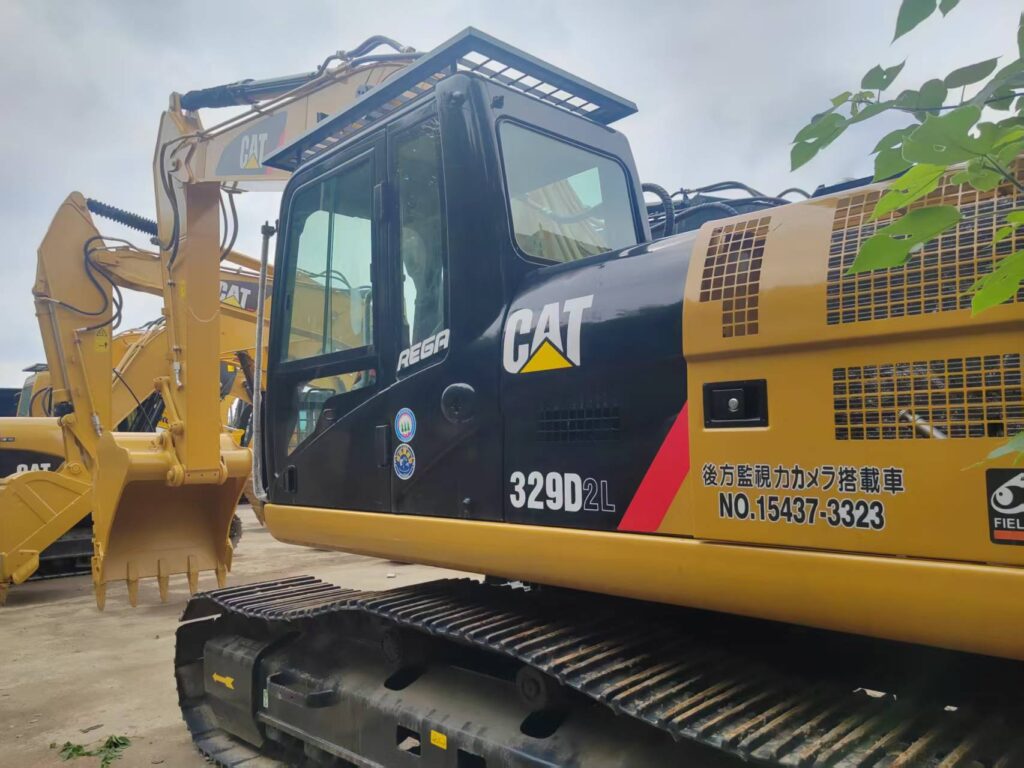
The functions of bulldozers extend far beyond simply pushing soil. On construction, mining, roadbuilding, forestry, and land-development projects, a dozer can clear a work area, strip topsoil, move material over short distances, spread fill, rough-grade surfaces, backfill excavations, manage stockpiles, and rip compacted ground. Its value comes from combining high traction with a front blade and, on many machines, a rear ripper or winch.
The most productive application depends on machine size, blade type, undercarriage configuration, ground conditions, slope, material density, push distance, and the required finish tolerance. This guide explains what bulldozers do, where they are most efficient, and what to check when selecting a used machine for a specific job.
Main Functions of Bulldozers at a Glance
| Bulldozer function | Typical work | Important machine feature |
|---|---|---|
| Site clearing | Removing vegetation, debris, loose rock, and light obstructions | Blade protection, guarding, traction, and visibility |
| Short-distance pushing | Moving soil, sand, aggregate, overburden, or blasted material | Machine weight, blade capacity, power, and ground conditions |
| Rough grading | Shaping roadbeds, building pads, slopes, and drainage areas | Blade control, operator visibility, and grade-control compatibility |
| Spreading fill | Placing material in controlled layers before compaction | Blade response and consistent track speed |
| Backfilling | Returning material around foundations, trenches, and structures | Precise control, safe edge distance, and suitable machine size |
| Ripping | Loosening compacted soil, weathered rock, frost, or old surfaces | Ripper configuration, penetration force, and undercarriage condition |
| Stockpile and dump management | Spreading, shaping, and maintaining material piles or disposal areas | Traction, blade capacity, cooling, and slope stability |
| Access preparation | Building temporary roads, ramps, firebreaks, and equipment routes | Flotation, ground clearance, and appropriate track shoes |
1. Site Clearing and Surface Preparation
Bulldozers are commonly used at the start of a project to create a workable surface. The blade can move brush, loose debris, topsoil, small obstructions, and accumulated material away from access routes and work zones. On road and building projects, the dozer can strip organic topsoil and expose more stable material for subsequent excavation, drainage, or compaction work.
Clearing productivity depends on what is in the ground. Stumps, buried utilities, large rock, unstable edges, and demolition debris require a planned method and may need specialized attachments or supporting equipment. Operators should inspect the work area before pushing and maintain visibility around personnel, structures, and other machines.
2. Pushing and Moving Material Over Short Distances
A dozer is most effective when it can cut or collect material into the blade, push it through a controlled route, and place it without excessive travel. Typical materials include soil, sand, gravel, aggregate, overburden, and previously loosened rock. Slot dozing, where material is contained between berms or previous passes, can reduce side loss and improve blade load.
Economic push distance is project-specific. It changes with material type, grade, traction, blade capacity, cycle time, fuel cost, and the availability of scrapers, loaders, excavators, or haul trucks. Bulldozers are generally short-distance material movers; as distance grows, loading and hauling equipment may become more productive. Use jobsite production calculations instead of relying on one universal distance limit.
3. Rough Grading and Contour Shaping
Bulldozers shape road subgrades, building pads, embankments, drainage paths, ramps, and working platforms. The blade can cut high areas and spread material into low areas to establish the rough profile before a motor grader or other finishing machine completes tighter-tolerance work.
Modern blade controls and grade-control systems can improve consistency, but machine condition still matters. Blade pins, bushings, cylinders, cutting edges, track alignment, and hydraulic response all influence grading accuracy. A machine with excessive linkage wear may struggle to hold a stable blade position even when the engine and transmission perform well.
4. Spreading Fill and Supporting Compaction
Dozers spread delivered material into planned lifts for embankments, road bases, building pads, and reclamation areas. Consistent lift thickness supports effective compaction and reduces the need to rework high or low areas. The bulldozer does not replace a suitable compactor, but it prepares uniform layers so the compaction equipment can work efficiently.
Operators should avoid mixing unsuitable material into engineered fill and should follow the project specification for moisture, lift thickness, testing, and edge protection. Communication between truck drivers, dozer operators, compactors, and survey or grade-control personnel is essential in busy fill areas.
5. Backfilling Trenches and Excavations
Bulldozers can return excavated material around foundations, pipelines, trenches, retaining structures, and completed earthworks. The machine can push material toward the excavation and spread it in layers, while other equipment places and compacts material in restricted areas.
Backfilling requires careful control near edges and structures. The operator must account for ground stability, buried services, spotter instructions, machine weight, and the capacity of the excavation support system. A smaller dozer may provide better control in confined areas, while a larger machine can handle bulk backfill away from sensitive edges.
6. Ripping Compacted Ground and Weathered Rock
A rear ripper uses one or more shanks to penetrate and fracture material before it is pushed, loaded, or excavated. Ripping applications include compacted soil, hardpan, frost, weathered rock, old road surfaces, and material that is difficult to cut directly with a blade. A single-shank ripper concentrates force for harder material, while a multi-shank arrangement can cover more width in suitable ground.
Not every rock formation is economically rippable. Fracture pattern, hardness, moisture, bedding, machine weight, traction, tooth condition, and ripper geometry all affect results. A site assessment or trial pass can help determine whether ripping, drilling, blasting, or another method is appropriate.
7. Stockpile, Mine, and Disposal-Area Management
In quarries, mines, recycling yards, and disposal areas, bulldozers spread incoming material, maintain access, shape stockpiles, clear dumping zones, and manage working faces. These applications can expose machines to dust, sharp material, high temperatures, steep grades, and demanding undercarriage wear.
Guarding, cooling-system cleanliness, track selection, lighting, cameras, and planned traffic separation become especially important. Operators should follow the site’s dump-edge and stockpile procedures and never use the blade as a substitute for verified ground stability.
8. Access Roads, Ramps, Firebreaks, and Recovery Support
High traction and low travel speed make crawler dozers useful for preparing temporary access roads, ramps, equipment platforms, and firebreaks. Low-ground-pressure configurations can improve flotation in soft conditions, while narrower shoes may be more suitable for firm or rocky ground where excessive shoe width can increase stress.
Some bulldozers support towing, winching, or push-assist operations, but only within the manufacturer’s rated procedures and with approved connection points. Recovery work introduces high stored energy and line-of-fire hazards. It requires a planned method, suitable rigging, exclusion zones, and trained personnel.
How Blade and Attachment Choice Changes Dozer Function
- Straight blade: Offers good control for grading, stripping, and short pushes where side casting is useful.
- Universal blade: Uses larger wings to retain more loose material during longer pushes and stockpile work.
- Semi-universal blade: Balances material retention with penetration for varied production work.
- Angle or power-angle-tilt blade: Supports side casting, road shaping, drainage work, and versatile site preparation.
- Ripper: Loosens difficult material before pushing or loading.
- Winch and specialized guarding: Support forestry, recovery, and other application-specific work when properly rated.
Selecting a Used Bulldozer for the Required Function
Start with the work rather than the model name. Estimate material type, production target, push distance, slope, ground pressure, transport limits, attachment needs, and finish tolerance. Then compare machine size, blade configuration, ripper, track shoes, operating weight, service support, and expected owning cost.
Before buying, inspect the undercarriage, track frame, final drives, blade linkage, cylinders, hoses, cutting edges, ripper, cooling package, engine, transmission response, steering, brakes, fault history, and service records. Test the machine from a cold start and again at operating temperature under a meaningful load. Our bulldozer maintenance guide explains the records and wear trends that should be reviewed.
Safe production also depends on planning, visibility, edge control, communication, and operator training. Review our bulldozer operation safety guide before organizing work around slopes, stockpiles, excavations, or other equipment.
Browse Used Bulldozers by Application
Explore our used bulldozers for sale and available used Shantui bulldozers and dozers. Request machine-specific photos, inspection information, attachment details, service records, and a quotation so the machine can be evaluated against the actual project requirements.
In summary, bulldozers are traction-focused earthmoving machines for clearing, short-distance pushing, rough grading, spreading, backfilling, ripping, stockpile management, and access preparation. Matching the blade, ripper, undercarriage, machine size, and condition to the intended function is the key to productive and economical operation.
Compare related used bulldozers or browse the complete used equipment inventory from NJ Construction Machinery.