

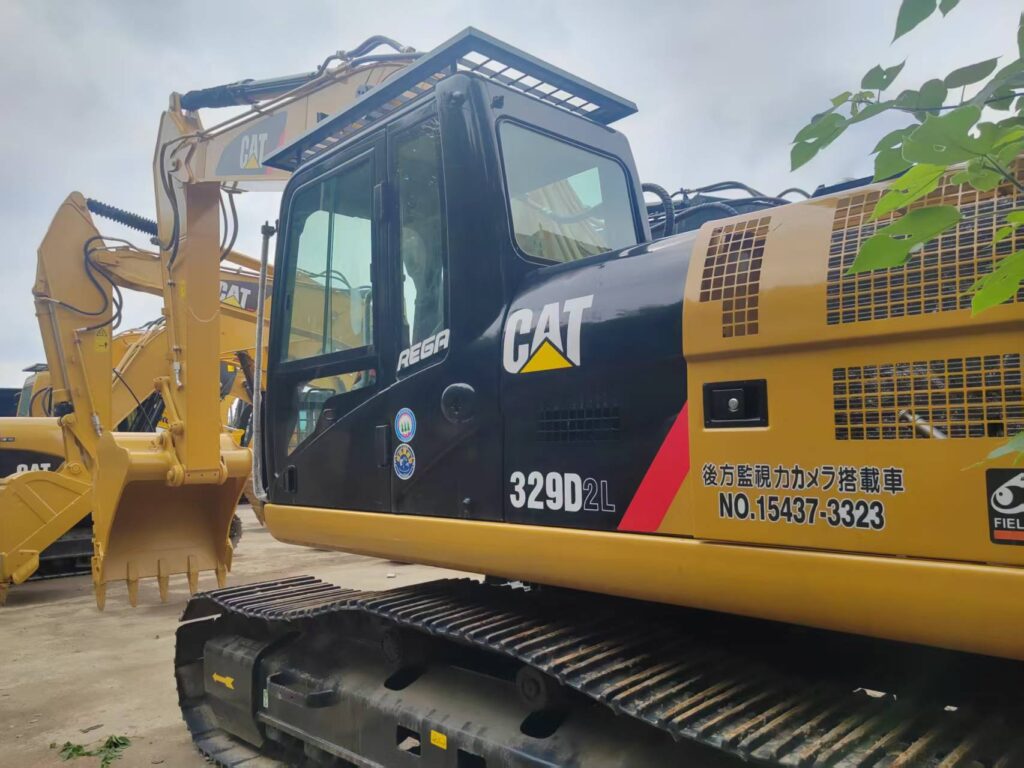
As the core machinery in earthmoving engineering, the bulldozer primarily performs blading, short-distance hauling, and dumping via its front-mounted blade. Its core functions can be summarized as follows:
1. Site Grading & Clearing
Rapidly grades construction sites, roadbeds, or spoil areas, removing surface obstacles, vegetation, and snow to prepare the site for subsequent construction phases.
2. Earth Excavation & Backfilling
Performs independent excavation of cuttings (road cuts) and embankment construction, or assists other machinery in backfilling foundation pits. It is best suited for the direct pushing of shallow-layer earth.
3. Auxiliary Operations & Ripping
Equipped with a ripper, it can break up hard soil (Class III-IV) or soft rock. It also provides towing assistance to scrapers and other equipment, reducing stripping bench heights and enhancing overall operational efficiency.
4. Specialized Applications
- Forestry: Clearing woodland and establishing firebreaks.
- Mining: Constructing spoil dumps and stockpiling ore/rock.
- Complex Terrain: Utilizing high traction to ensure passability in wetlands or rugged topography.
⚠️ Operational Limitations
It is important to note that the economic haul distance for bulldozers is relatively short (typically within 100–150 meters). For long-distance transport, trucks or other carriers must be utilized. Additionally, bulldozers lack deep-digging capabilities and cannot perform precision rock crushing.