

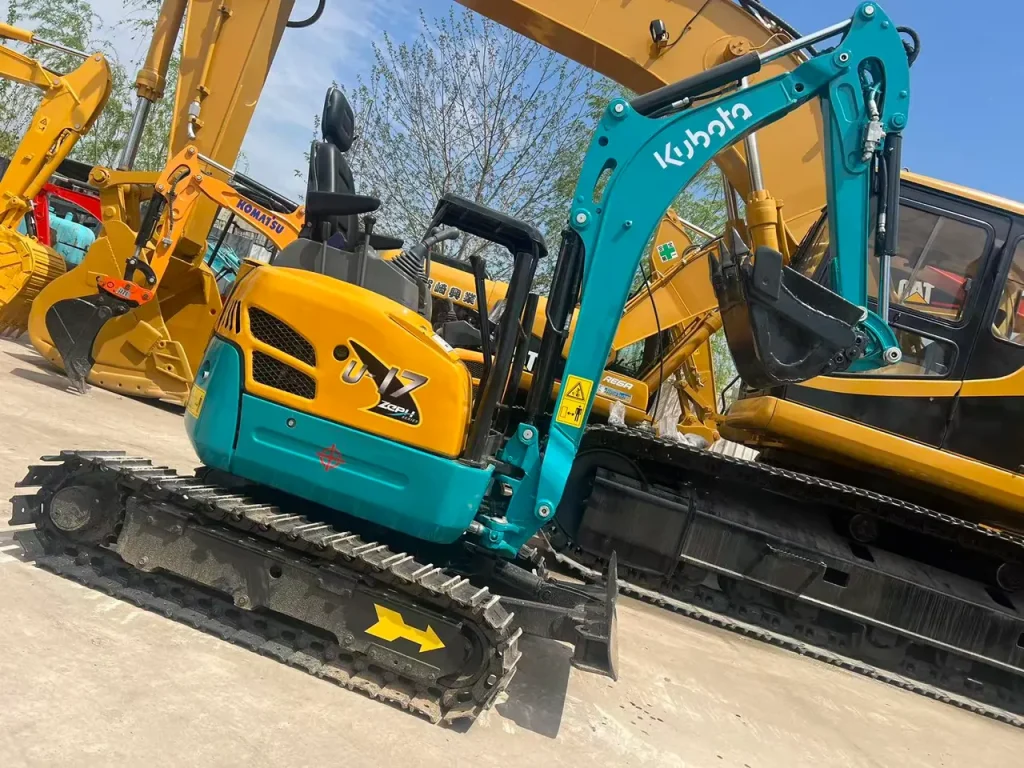
During excavator operations, supervising engineers must focus their safety patrols and inspections on four core dimensions: Personnel Qualification, Equipment Status, Working Environment, and Operational Compliance.
1. Personnel and Access Management
- Verification of Certification: Strictly inspect whether operators hold a valid Special Equipment Operation Certificate, ensuring it is within its validity period and matches the equipment category. Working without a certificate or with an expired license is strictly prohibited.
- Technical Disclosure: Confirm that written safety technical disclosures have been completed prior to work. Operators must be aware of underground utility distribution, emergency measures, and the day’s risk points.
- Working Hour Compliance: According to the 2026 New Regulations, supervise that continuous operation time does not exceed 4 hours to prevent fatigue-related accidents.
2. Equipment Condition and Safety Devices
- Key System Status: Check for leaks in the hydraulic system, ensure brakes and slewing mechanisms are sensitive and effective, and verify that fuel, lubricating oil, and hydraulic oil meet specified standards.
- Safety Device Effectiveness: Verify that lighting, signaling, and alarm devices are complete and functional. Safety protection devices such as Load Moment Indicators (LMI) and Travel Limit Switches must be intact and reliable; operation with failed safety devices is strictly prohibited.
- Structural Integrity: Check track/tire tension and wear. Ensure all articulated joints are securely connected, main bolts are tightened, and there is no loosening or damage.
3. Working Environment and Conditions
- Site Stability: Inspect that the working position is level and firm. Crawler excavators must engage the brake before work; wheeled excavators must extend outriggers. The machine’s orientation must align with the extension direction of the excavation face.
- Protection of Underground Facilities: Verify the location of underground utilities and structures. Mechanical excavation is strictly prohibited within 2 meters of directly buried cables and 1 meter of pipelines; manual handling and supervision are required.
- Safety Distance Control: Digging directly beneath overhead power lines is strictly forbidden. For adjacent operations, assign a dedicated supervisor and confirm safe clearance distances. Soil piles must be kept at least 1 meter from the trench edge, with a maximum height of 1.5 meters.
4. Operational Prohibitions
- No Unauthorized Personnel: Absolutely no one is allowed to stand in the bucket, on the boom, tracks, or engine hood while the engine is running. No personnel are permitted within the bucket’s operating radius.
- Standardized Unloading: When unloading onto transport vehicles, lower the bucket height to prevent eccentric loading or damaging the carriage. The bucket is strictly forbidden from passing over the top of the truck driver’s cab.
- Prohibition of Dangerous Actions: Using the bucket to knock down hanging soil, digging holes from underneath (undermining), excessive penetration, or violently lifting the bucket is strictly prohibited.
Supervisory Action: Upon discovering the above hazards, the supervising engineer must immediately issue a Rectification Notice. If the situation is serious or rectification is refused, a Suspension Order must be issued, and the matter reported immediately to the Client (Owner) and relevant authorities.
Compare related used excavators or browse the complete used equipment inventory from NJ Construction Machinery.